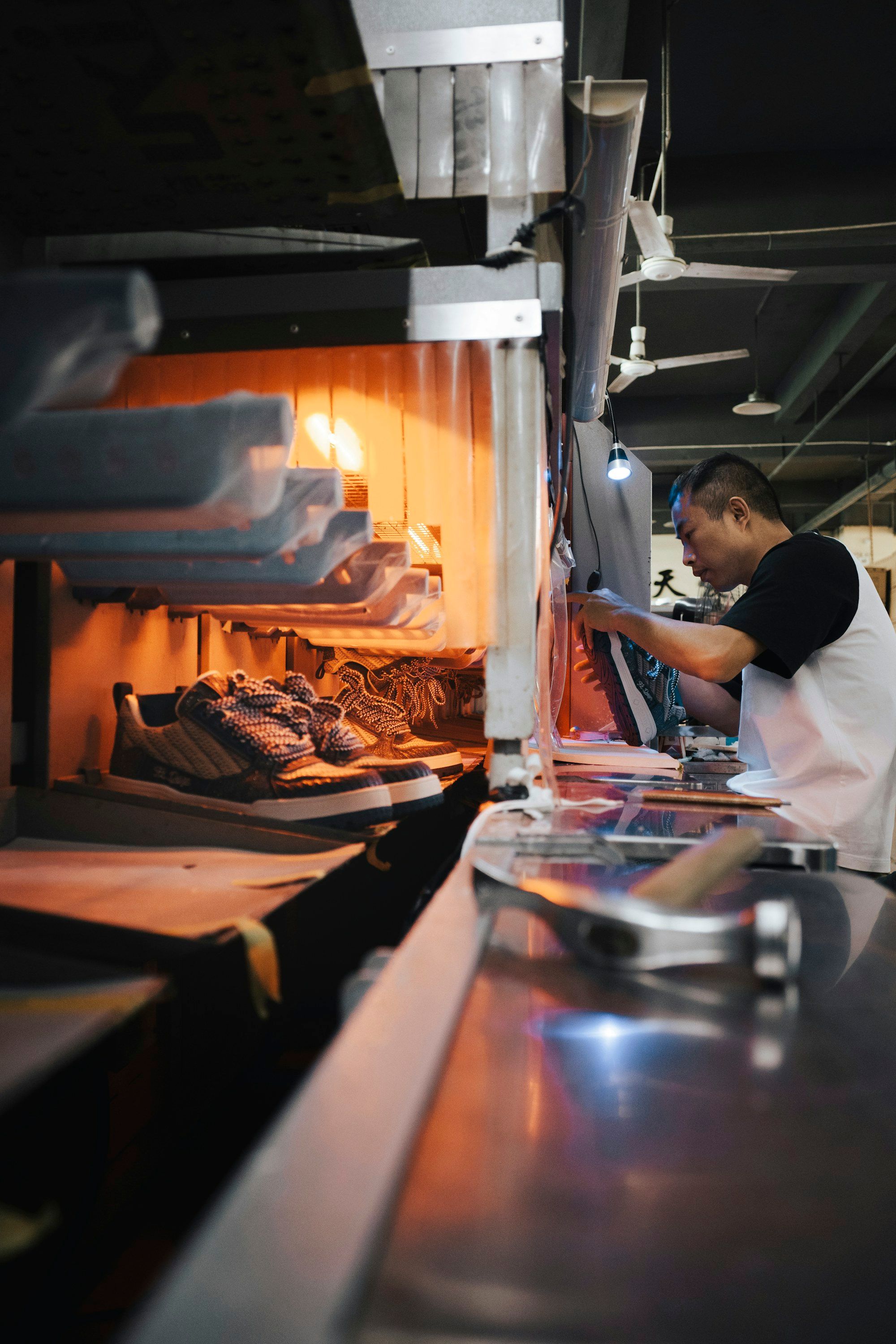
People often speak about manufacturing as if a factory were a single building that could be moved from one country to another. From the ground, it looks less like a building and more like a living network.
The network behind the factory gate
A finished product may pass through many hands before it reaches the assembly line. Materials, components, tooling, packaging, testing, and logistics are often handled by different specialists. What matters is not only that each specialist exists, but that they know how to work together.
In manufacturing cities, those relationships can be physically close. A missing part may be sourced across town. A tooling adjustment can be discussed face to face. This density shortens the distance between a problem and a practical response.
Speed is really coordination
Fast production is sometimes described as a matter of long hours or low cost. That explanation misses the quieter skill: coordination. Experienced teams know which questions to ask, which trade-offs are acceptable, and where a delay is likely to appear.
The result is not automatic perfection. Quality still depends on clear specifications, realistic schedules, and trust between people. But when the network is working well, iteration becomes part of the process rather than an interruption to it.
What international buyers should notice
A useful factory visit goes beyond capacity numbers. Ask how changes are communicated, how subcontractors are managed, and who makes decisions when the original plan no longer fits reality.
The strongest partnerships are rarely built on price alone. They grow from shared expectations, honest feedback, and an understanding of what each side needs in order to do good work.
Observed with curiosity. Written from experience. Open to a wider view.