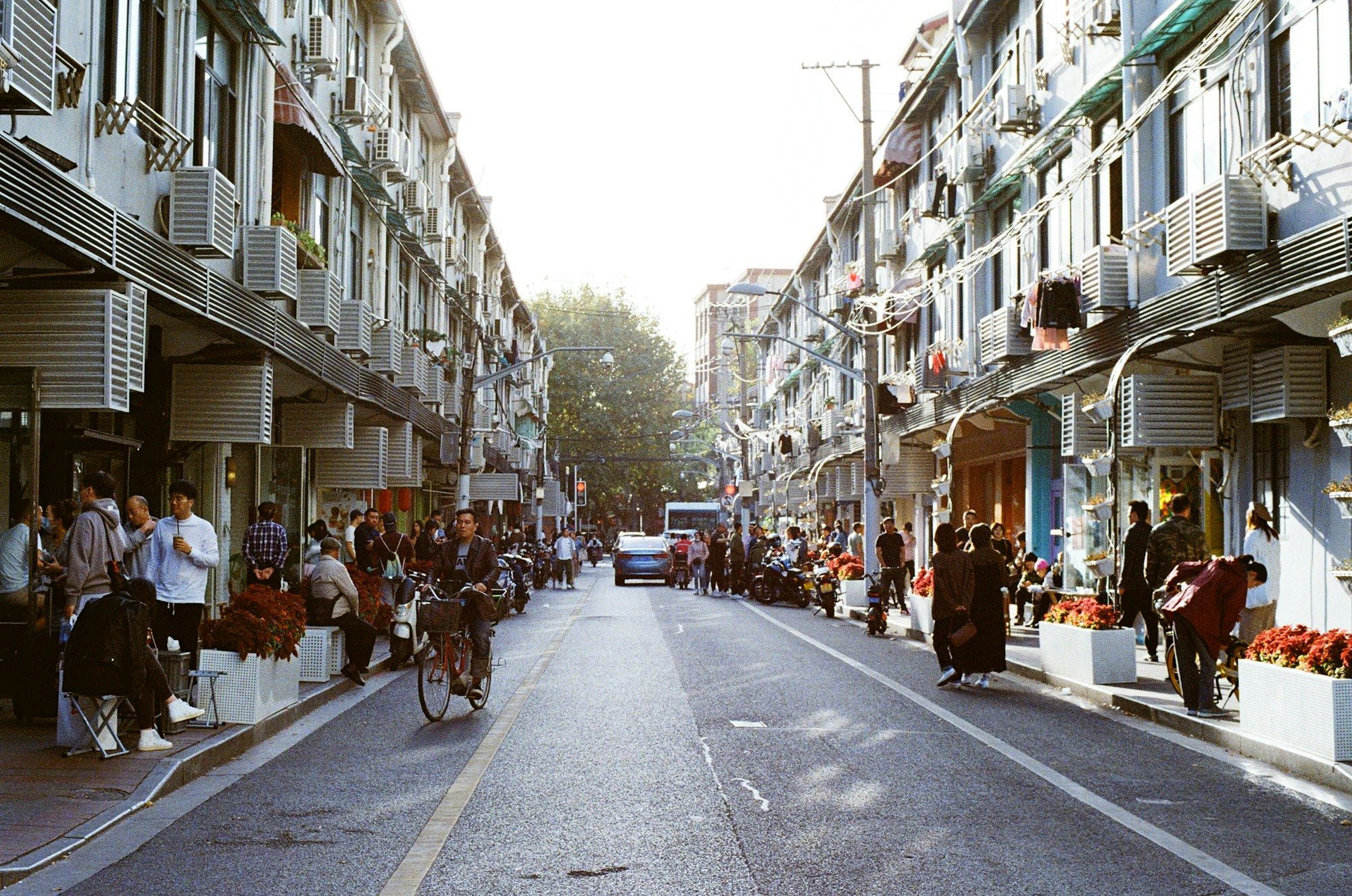
In many Chinese families, one generation remembers roads before they were paved while the next expects a train, a delivery, and a digital payment to arrive almost instantly. Both memories belong to the same city.
Memory beside the skyline
Walk through a large Chinese city and different decades can appear on the same block. A small breakfast shop may sit below a new apartment tower; an older neighborhood may open onto a transit station used by thousands each day.
This overlap matters. Cities are not clean timelines. New infrastructure changes routines, but older habits, relationships, and local identities continue inside it.
When infrastructure becomes habit
The most significant changes are often the least dramatic to photograph. A shorter commute can reshape where people work. Reliable delivery can change how a small shop manages inventory. Digital services can compress several errands into a few minutes on a phone.
Once these conveniences become normal, expectations change quickly. The city is no longer experienced as a collection of projects; it becomes a new rhythm of everyday life.
One city, different generations
Older residents may measure change against scarcity and distance. Younger residents may measure the same city against opportunity, pressure, and the cost of keeping up. Their stories can sound contradictory while both remain true.
Understanding a changing China means listening to these differences instead of forcing them into a single story of progress or loss.
Observed with curiosity. Written from experience. Open to a wider view.